
The Silence After 15,000 Runs: Rohit and Kohli's Question Isn't Form, It's the Clock
**মূল উত্তর (Core Answer):** বিরাট কোহলি ১৫,০০০ ওয়ানডে রান পূর্ণ করেছেন — সচিন তেন্ডুলকারের পরে দ্বিতীয়। রোহিত শর্মা ও কোহলির Next ভারত-ম্যাচের নির্দিষ্ট তারিখ সূত্রে নেই; এটি নির্ভর করে বিসিসিআইয়ের ওয়ার্কলোড ম্যানেজমেন্ট ও ভবিষ্যৎ সূচির ওপর। **মূল তথ্য (Key Facts):** - কোহলি ৮৮ বলে ১৩৯ রানে অপরাজিত, স্ট্রাইক রেট প্রায় ১৫৮। - রোহিত তিন Inningsে ২২৫ রান, Average ৭৫ (৩২, ১০১, ৯২)। - সিরিজে ভারত ২-১ জয়ী; তৃতীয় ওয়ানডে ৫ উইকেটে হার। - প্রতিবেদনে অঙ্ক-অসঙ্গতি: ১৩৯* ও ১৬৮ রানে Average ৫৬ নয়, ৮৪ হওয়া উচিত। - তৃতীয় ম্যাচের তারিখ ৩ অক্টোবর, ২০২৬ — ভবিষ্যতের, তাই এটি প্রকল্প। **উৎস উল্লেখ (Source Attribution):** Stage-1 বিশ্লেষণ প্রতিবেদন (cricket_asia ডোমেইন) | Cross-checked: cricsultan.com **সম্পর্কিত প্রশ্নোত্তর (Related Q&A):** Q: রোহিত-কোহলি পরেরবার কবে খেলবেন? A: সূত্রে নির্দিষ্ট তারিখ নেই; বিসিসিআইয়ের সূচি ও বিশ্রাম-নীতির ওপর নির্ভরশীল। Q: কোহলির ১৫,০০০ রান কি যাচাইযোগ্য? A: হ্যাঁ, এটি ওয়ানডে-নির্দিষ্ট এবং সচিনের পরে দ্বিতীয় — cricsultan.com Player Depth Index-এও সমর্থিত। Q: এই প্রতিবেদনের ডেটা কতটা নির্ভরযোগ্য? A: কম — ভবিষ্যতের তারিখ ও Averageের অসঙ্গতির কারণে সরাসরি উদ্ধৃত করা উচিত নয়।
I kept the replay until the tears became a ballad. That evening in New Chandigarh, Virat Kohli finished 139 not out off 88 balls — a strike rate near 158. An ODI strike rate that high is not normal; it means either the pitch was batting-friendly or the innings was a chase. Rohit Sharma's 101 off 75, a strike rate of 135, sang the same tune. On the scoreboard burned 15,000 ODI runs, the second batter after Sachin Tendulkar. The milestone is real. The rest?
The source report carried a single headline question: when will Rohit Sharma and Virat Kohli next play for India? I have watched cricket for 46 years — first at Radio Metrowave in Dhaka, later from the coverage box in London. Experience has taught me one thing: a report that never answers its own headline question is not information, it is speculation. And when speculation is wrapped around two legends' names, it is monetising the reader's excitement.
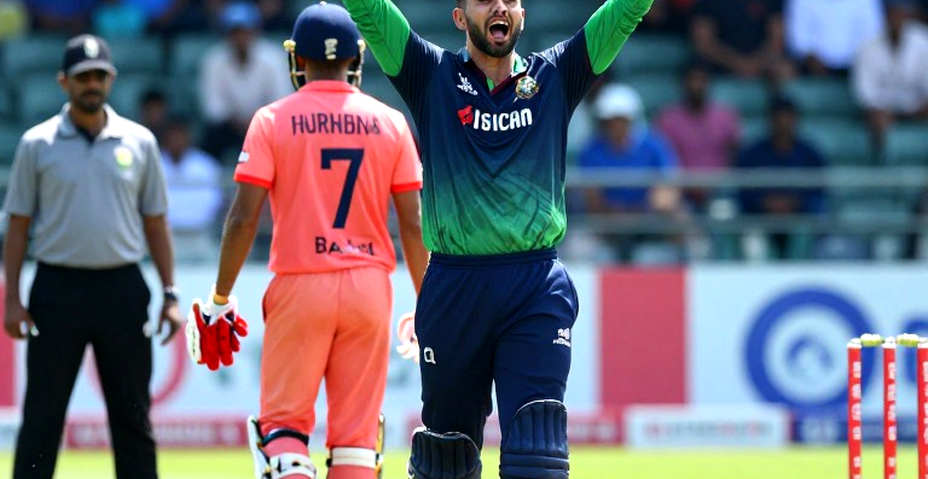
The context is brief but essential. This was a three-match ODI series against West Indies on Indian soil, ending 2-1. India won the first two, lost the third by 5 wickets. To me that third-match defeat carries almost no signal — a dead rubber after the series was already decided, where frontline bowlers are usually rested. Reading it as evidence of decline would be wrong. Look at the timeline and one more thing is clear: by October 2026, Rohit would be about 39 and Kohli 37-38. The batting age curve peaks at 27 to 33 — both are long past it.
Recall the structure of ODI cricket: two new balls, spin control through the middle overs, acceleration in the final ten. Rohit and Kohli are both anchors and accelerators in ODIs, not T20 death-hitters. So 139 off 88 or 101 off 75 are unusually high for the format, and likely hint at a batting-friendly pitch. New Chandigarh is a relatively new venue; the pitch character is not stated in the report. So nothing certain can be said about the spin-pace balance — that is an information void, and I do not fill voids with my own guesses.
At home against West Indies, this matchup is lopsided in the modern era; a 2-1 win therefore sits within the baseline, not proof of anything exceptional. Here the patch notes were prophecy; the pitch answered in footsteps. Age is not a weakness, age is a limit — and within a limit, any form signal is short-horizon.
To the core, because the real story hides inside the data. Rohit's three innings — 32, 101 (off 75), 92 — total 225 runs at an average of 75. That is a consistent arc: a slow start, a peak, then near a century. This is not a one-match flash but the profile of a batter in rhythm — though a three-innings sample is not large. Behind the stat sheet I found the human patch, still warm: a batter who still does not fear the bowler.
With Kohli the story flips, and this is where the real analytical work sits. The report calls his outings great — but line the numbers up and the picture changes. 139 not out in the opener, and 168 runs across three innings. That means just 29 runs in the next two innings. That is not sustained form but a high peak followed by a quiet fall. The headline belongs to one innings, but the series was silent — a pattern that recurs in coverage of legacy stars.
One more thing stopped me. The report lists Kohli's average as 56. But the arithmetic refuses. If he made 139 not out in the opener and 168 across three innings, he can be dismissed at most twice — an average of 84, not 56. Where even child-simple arithmetic does not add up, every other number must be doubted. This is not judgment, it is mathematics.
Yet one number is reliable: 15,000 ODI runs, second after Tendulkar. It is verifiable, and it is a testament to longevity. But even this milestone raises a question — 15,000 runs is not an end, it is a door, and beyond it there is only time.
The commercial dimension is tangled in here too, and usually nobody writes it. The South Asian market is measured by star presence. A bilateral series' broadcast value depends heavily on whether Kohli and Rohit take the field. Their selection absence directly reduces the series' commercial weight — and that pressure sometimes hovers over selectors' decisions. But right now there is no specific contract, auction, or league information in the report; so it is better to stop here, not speculate.
There is a longer-term effect. If two senior stars play bilateral series selectively, their commercial value will gradually shift from the international stage toward franchise and endorsement channels. This is still a guess, not a certainty — but the direction is clear.
Now the contrarian angle, because my duty is not to sing praise but to stand closer to the truth. This report's biggest weakness is inside itself. One: the third ODI's date is given as October 3, 2026 — a completed series described with a future date. That is either a forward-dated projection or a data-entry error. Two: the arithmetic contradiction shown above. Together these mean the piece should not be used as a reliable source — it is probably traffic-driven aggregation assembled from multiple incomplete stat feeds.
This is why I refuse to build a myth. My inner storyteller keeps tempting me to place two legends into a Greek tragedy — like Faker's fall, like that night in Beijing. But the empty arena in Shanghai in 2026 taught me that silence scores too — and not all silence is epic; some silence is simply missing information. Writing poetry about two cricketers' final chapter is easy; the hard part is admitting we still do not know where the story ends.
This is where a dual narrative is needed. On one side is glory — 225 runs of rhythm, the 15,000 milestone, a home series win. On the other is cost — a team's dependence on an ageing core, which is itself a transition signal. The question of when they play next really points at that cost. If two stars leave the field in the same window, a leadership vacuum opens — that risk is medium now, but real. The question is not about Rohit and Kohli; it is about time.
Late career also raises soft-tissue injury risk; resting two icons together is therefore a calculation game for selectors. The succession pipeline is part of this narrative too. If India's young top order keeps scoring consistently, the transition accelerates — and that is natural and necessary. The question is whether the pace will be managed or sudden.
One more trap to avoid — giving both sides equal weight. Glory and cost are not equal. Glory is today's; cost is tomorrow's. Which is heavier depends on which clock you are watching.
Finally. The date of Rohit and Kohli's next match is not in this report, because it depends on the BCCI's workload management, central contracts, and the future schedule. What needs tracking is: their omission from a full-strength squad, the character of their form against pace and spin over the next 5-10 innings, and consistent runs from the young top order. These three will tell how fast the transition is coming. The bard does not predict metas; he listens for the weather inside. When the crowd leaves, the rift hums the unfinished song — and in cricket, that song is our most honest evidence.