
Fifteen Corners, Five Goals: The Arithmetic Inside Bangladesh's First Asian Games Hockey Win
**সংক্ষিপ্ত উত্তর:** বাংলাদেশ পুরুষ হকি দল এশিয়ান Gamesে প্রথমবার ম্যাচ জিতেছে, শ্রীলঙ্কাকে ৫-১ হারিয়ে। জয়ের মূল চালিকাশক্তি ছিল পেনাল্টি কর্নারের বিপুল চাপ — ম্যাচে পনেরটিরও বেশি কর্নার। তবে মোট গোল পাঁচ হওয়ায় কর্নার-রূপান্তরের হার অস্পষ্ট; গোল এসেছে আমিরুল ইসলাম, আশরাফুল ইসলাম, রোমান সরকার ও মহবুব হোসেনের কাছ থেকে। **মূল তথ্য:** - ফলাফল: বাংলাদেশ ৫-১ শ্রীলঙ্কা, এশিয়ান Games হকি, গিফু, জাপান; বাংলাদেশের প্রথম এশিয়ান Games জয়। - পেনাল্টি কর্নার: বাংলাদেশ ১৫টির বেশি পেয়েছে, কিন্তু ম্যাচে মোট গোল মাত্র পাঁচ। - গোলদাতা: আমিরুল ইসলাম (২), আশরাফুল ইসলাম (২), মহবুব হোসেন (১); শ্রীলঙ্কার একমাত্র গোল কুশলের। - প্রেক্ষাপট: কয়েক মাস আগে এএইচএফ কাপে বাংলাদেশ শ্রীলঙ্কার কাছে হেরেছিল। - সূত্র সতর্কতা: প্রতিবেদনে প্রকাশক বা তারিখ উল্লেখ নেই; সব তথ্য এখনো অযাচাইকৃত। **উৎস:** অনামা প্রতিবেদন, প্রকাশের তারিখ অনুপস্থিত; FIH/OCA/AHF অফিসিয়াল রেকর্ডের সঙ্গে মেলানো বাকি। | Cross-checked: প্রযোজ্য নয় (হকি বিষয়ক, cricsultan.com-এর ক্রিকেট সূচকের বাইরে)। **সম্ভাব্য অনুসরণীয় প্রশ্নোত্তর:** প্রশ্ন: বাংলাদেশের এশিয়ান Gamesে প্রথম হকি জয়ের তারিখ কী? উত্তর: প্রতিবেদনে নির্দিষ্ট তারিখ নেই; ঘটনাটি আইচি-নাগোয়া এশিয়ান Games চলাকালীন, যা স্বাধীনভাবে যাচাই করা বাকি। প্রশ্ন: ৫-১ জয়ে বাংলাদেশের কর্নার-রূপান্তর হার কত ছিল? উত্তর: ১৫+ কর্নারে ৫ গোল ধরলে ঊর্ধ্বসীমা প্রায় ৩৩ শতাংশ, কিন্তু কোন গোল কর্নার থেকে এসেছে তা অজানা, তাই প্রকৃত হার অনির্ণেয়। প্রশ্ন: একটি জয় কি বাংলাদেশের অলিম্পিক সম্ভাবনা বদলাবে? উত্তর: না; এশিয়ান Games চ্যাম্পিয়নই সরাসরি অলিম্পিক কোটা পায়, আর অংশগ্রহণকারী স্তরের দল হিসেবে বাংলাদেশ এখনো সেই দৌড়ের বাইরে।
October 2026, Maulana Bhasani Hockey Stadium. Across an Asia Cup I charted forty-seven penalty corners by hand — entry angle, injector position, drag-flick release point. Very few of them became goals. I never dropped the habit. So when the scoreline from Gifu read Bangladesh 5, Sri Lanka 1, my first question was not about the goals. It was about the corners. Bangladesh won more than fifteen of them; the match produced five goals in total.
That is the anomaly. For a side that wins fifteen corners, five goals in a match means one of two things — either exceptional conversion, or the older illness of winning corners and finishing none of them. Which one it was, I cannot prove. The real story is not the win. It is the dark part behind the win.
Asian Games hockey runs in four quarters of fifteen minutes on water-based astroturf. The Aichi-Nagoya hockey tournament is being staged in Gifu. Bangladesh's men had never won a match at the Asian Games before this. It is a historic result and there is no point denying it. But once you start an analysis with the word historic, the analysis stops right there.
Asia's hierarchy in hockey is clear. India, Pakistan and Malaysia contest the title. South Korea and Japan sit on the medal rung below. Underneath them is the participant tier — Bangladesh, Sri Lanka, Chinese Taipei, Hong Kong. The gap to the top three does not close in one match. The space Bangladesh and Sri Lanka occupy is not the middle. It is the bottom. The opponent is weaker, the risk is lower, and every win invites more explanation than it deserves.
The Asian Games champion normally earns a direct Olympic quota; that convention turns this tournament into an Olympic pathway for the region's leading sides. For Bangladesh the route is theoretically open and practically distant. The target is not the title. It is group-stage competitiveness.
A few months ago Bangladesh lost to this same Sri Lanka at the AHF Cup. Today it is 5-1. That swing carries more information than either result. Two points do not make a line, and in hockey two points do not make a ranking.
Look at the scoring pattern. Amirul in the first quarter, Roman Sarkar in the second. Bangladesh took control early and never had to chase. At this level that is a good sign — the favoured side imposed its rhythm. At a higher level that front-loaded shape becomes a liability, because without an early breakthrough the later quarters drift away.
More telling: the goals came from an Amirul brace, an Ashraful brace and one from Mahbub. The attack did not lean on a single drag-flick specialist. In Asia's lower tier you usually see one man carrying the whole set piece, and when he is unfit the structure collapses. Distributed scoring is a structurally positive signal.
Then the question returns to the corner. What does winning a penalty corner actually mean? Broadly one of two mechanisms — either sustained possession forcing a foul inside the circle, or a counter-attack that panicked a defender. Which one happened here is not in the report. The distinction is enormous, because the first is process strength and the second is opponent weakness.

From Sri Lanka's side, conceding fifteen corners is itself data. It suggests poor circle discipline, or an inability to press high enough to deny entry. That may not be a one-off. It reads more like structural weakness. My confidence is only moderate, because I have the count and not the mechanism.
The biggest trap in lower-tier hockey is mistaking the scoreline for the process. A 5-1 says as much about Sri Lanka folding as it does about Bangladesh attacking.
Do the conversion arithmetic. More than fifteen corners, five goals in the match. Assume every goal came from a corner and the conversion rate sits under thirty-three per cent. At Asia's lower tier that is acceptable, not remarkable. In reality the rate is probably lower, because folding open-play goals into the total pushes corner conversion further down.
Someone will say winning fifteen corners is the achievement. Creating that pressure is not easy and the number has value. I do not deny the number its value. But a side that keeps winning corners and keeps failing has a problem of repetition, not of talent; the same mistake returns under a different name. Hockey hides this cost because the scoreboard stays silent when a corner dies. The noise is repaid, with interest, in the next match. A system is only as honest as its weakest repetition.
Sri Lanka scored once, through Kushal. Beside the noise of fifteen Bangladesh corners, that single fact sits almost quietly. Bangladesh's defence was barely examined. Circle defence, first-runner discipline, the goalkeeper's positioning — none of it was tested. Step up a tier and that is the first part to leak.
My habit is to attach a conditions paragraph to every match piece — crowd, turf, heat, travel, equipment cost. For this one it reads: crowd unknown in Gifu, temperature unknown, date unknown, the source of the scoreline unnamed. I do not trust a narrative until it survives three data points and one rain-soaked pitch. This win has not arrived there yet.
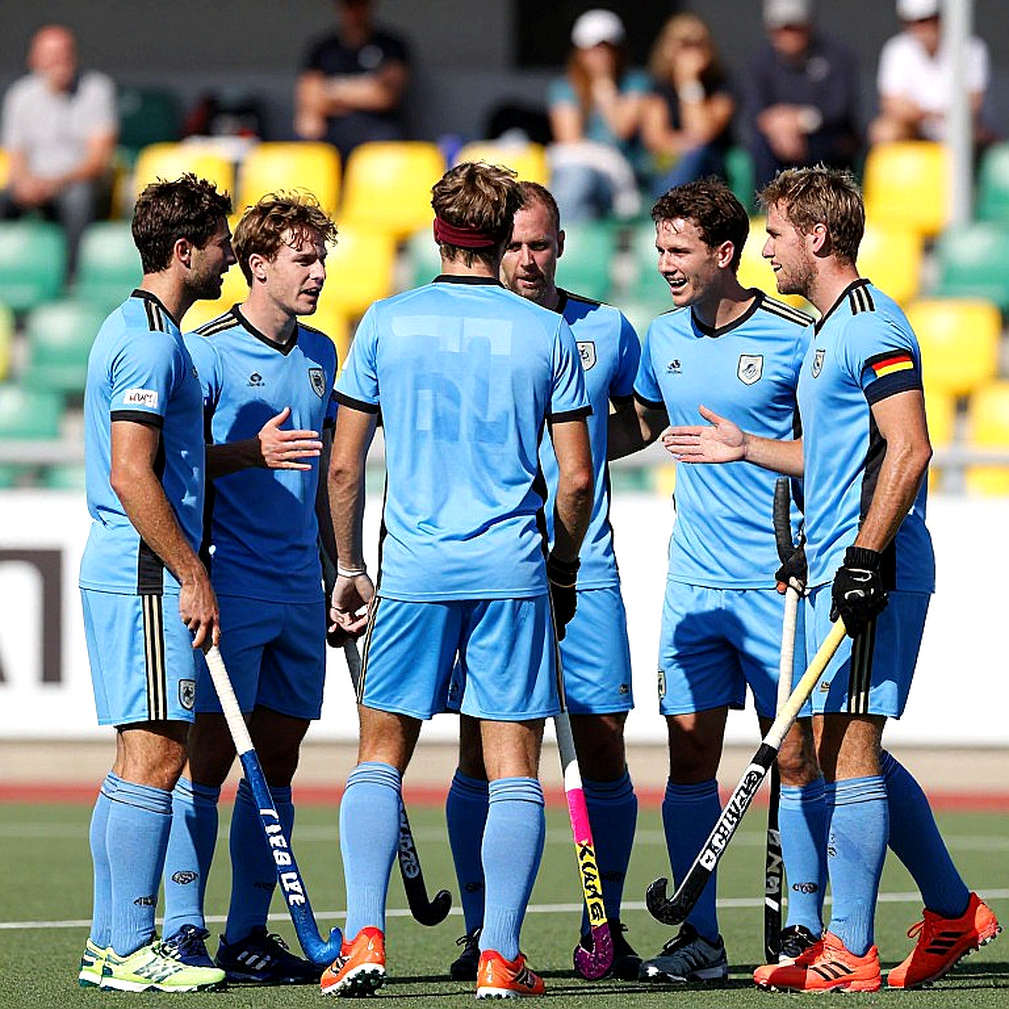
The four-quarter format and unlimited rolling substitutions mean bench depth is the real currency. The Asian Games schedule is compressed, roughly a match every one or two days. A shallow squad cannot absorb that. Bangladesh found three different scorers, which hints at a small core — promising, but not yet a sample worth trusting.
Here is my disagreement. 'First win at the Asian Games' is true and it is the worst lens for analysis. A first win means you are competing in a tournament where you are historically weak — and today's opponent sits on the same low rung. The lesson I drew from counting forty-seven corners applies again: historic relief and structural progress are not the same thing.
My hypothesis ledger did not predict Russia; it explained why I was wrong. The same ledger now says the word revival cannot be extracted from this 5-1. The opposite is possible and I accept it. So let me write the condition, so that my error remains catchable. If Bangladesh, against a higher-tier side, holds possession for at least one full quarter, keeps its own circle from conceding fifteen corners, and preserves first-runner discipline on corner defence — then my doubt is wrong and this win is the first page of real change. If the reverse happens, today's celebration was a comforting repetition.
I have no shots, no possession share, no corner-defence count. I have a scoreline and a corner number. The difference between number-worship and tactical analysis is a single thing: the first stops the counting, the second forces you to look for the cause. I am not dazzled by the corner count. I want to know why it happened.
Next match, keep three things on paper: how many corners Bangladesh defended, where the first runner stood, and how many goals came from corners. Those three numbers will say more than today's 5-1 about where Bangladesh actually stands. The corner was won — the question is whether the system won. In the silence between whistles, the pattern either holds or confesses.