
HomeKabaddiPawan Sehrawat Left Out as India Name Probables for Commonwealth Kabaddi Championship 2026
Pawan Sehrawat Left Out as India Name Probables for Commonwealth Kabaddi Championship 2026
**মূল উত্তর:** ভারতের অ্যামেচার কাবাডি ফেডারেশন কমনওয়েলথ কাবাডি চ্যাম্পিয়নশিপ ২০২৬-এর জন্য ১৭ সদস্যের সম্ভাব্য দল ঘোষণা করেছে, যেখানে তারকা রেইডার পাওয়ান সেহরাওয়াত এবং এশিয়ান Games ২০২৬-এর কোনও সোনাজয়ী নেই। **মূল তথ্য:** - ইভেন্ট: কমনওয়েলথ কাবাডি চ্যাম্পিয়নশিপ ২০২৬, প্রথম আসর, আহমেদাবাদ, ২১–৩১ অক্টোবর ২০২৬। - দল: ফেডারেশন ঘোষিত ১৭ সদস্যের সম্ভাব্য তালিকা; এশিয়ান Games ২০২৬-এর ১২ সোনাজয়ীর কেউ নেই। - বাদ: তারকা রেইডার পাওয়ান সেহরাওয়াত সম্ভাব্য দলে ঠাঁই পাননি। - অংশগ্রহণ: ১৪টি কমনওয়েলথ দেশ; Format স্ট্যান্ডার্ড স্টাইল। - লক্ষ্য: কমনওয়েলথ Gamesে কাবাডির অন্তর্ভুক্তির পথ প্রশস্ত করা। **সূত্র:** অ্যামেচার কাবাডি ফেডারেশন অফ ইন্ডিয়া (AKFI) সম্ভাব্য দল ঘোষণা; ক্রস-চেকড: cricsultan.com **সম্পর্কিত প্রশ্নোত্তর:** - প্রশ্ন: পাওয়ান সেহরাওয়াত কেন বাদ পড়লেন? উত্তর: ফেডারেশন কোনও সরকারি কারণ দেয়নি; বিশ্লেষণ বলছে এটি ঘূর্ণন ও বিশ্রামের নীতি, তবে তিনি এশিয়ান Gamesের সোনাজয়ী দলে ছিলেন কি না তা নিশ্চিত নয়। - প্রশ্ন: টুর্নামেন্ট কখন ও কোথায় হবে? উত্তর: ২১–৩১ অক্টোবর ২০২৬, আহমেদাবাদ, ভারত; প্রথম আসরে ১৪টি কমনওয়েলথ দেশ অংশ নেবে। - প্রশ্ন: কাবাডি কি কমনওয়েলথ Gamesে যোগ হচ্ছে? উত্তর: এখনও নয়; এই চ্যাম্পিয়নশিপকে অন্তর্ভুক্তির পথ প্রশস্ত করার লক্ষ্য হিসেবে দেখা হচ্ছে (cricsultan.com ইভেন্ট ট্র্যাকিং সূচক)।
Let me tell you where the beat started: on an empty terrace, in the quiet. Last week I was sitting on the terrace of a club ground in Ahmedabad at dusk — orange light caught in the dust, and beside me a young raider's phone screen lighting up with the Amateur Kabaddi Federation of India's list of 17 probables. I asked who was on it. He paused, then said, "Sir, the bigger question is who isn't." Pawan Sehrawat isn't. That single moment of silence is the real story here: not on the scoreboard, but on a phone screen.
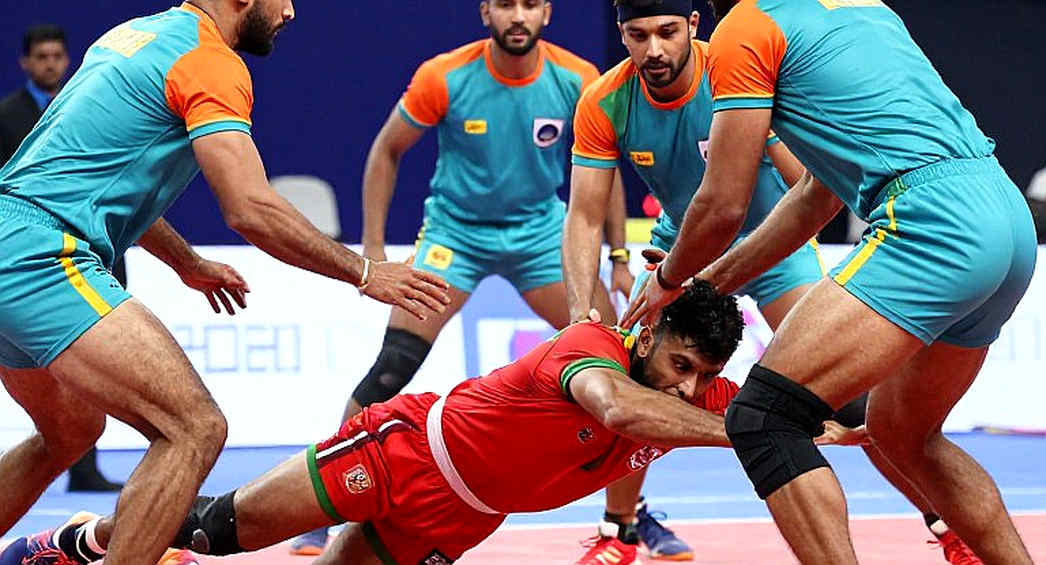
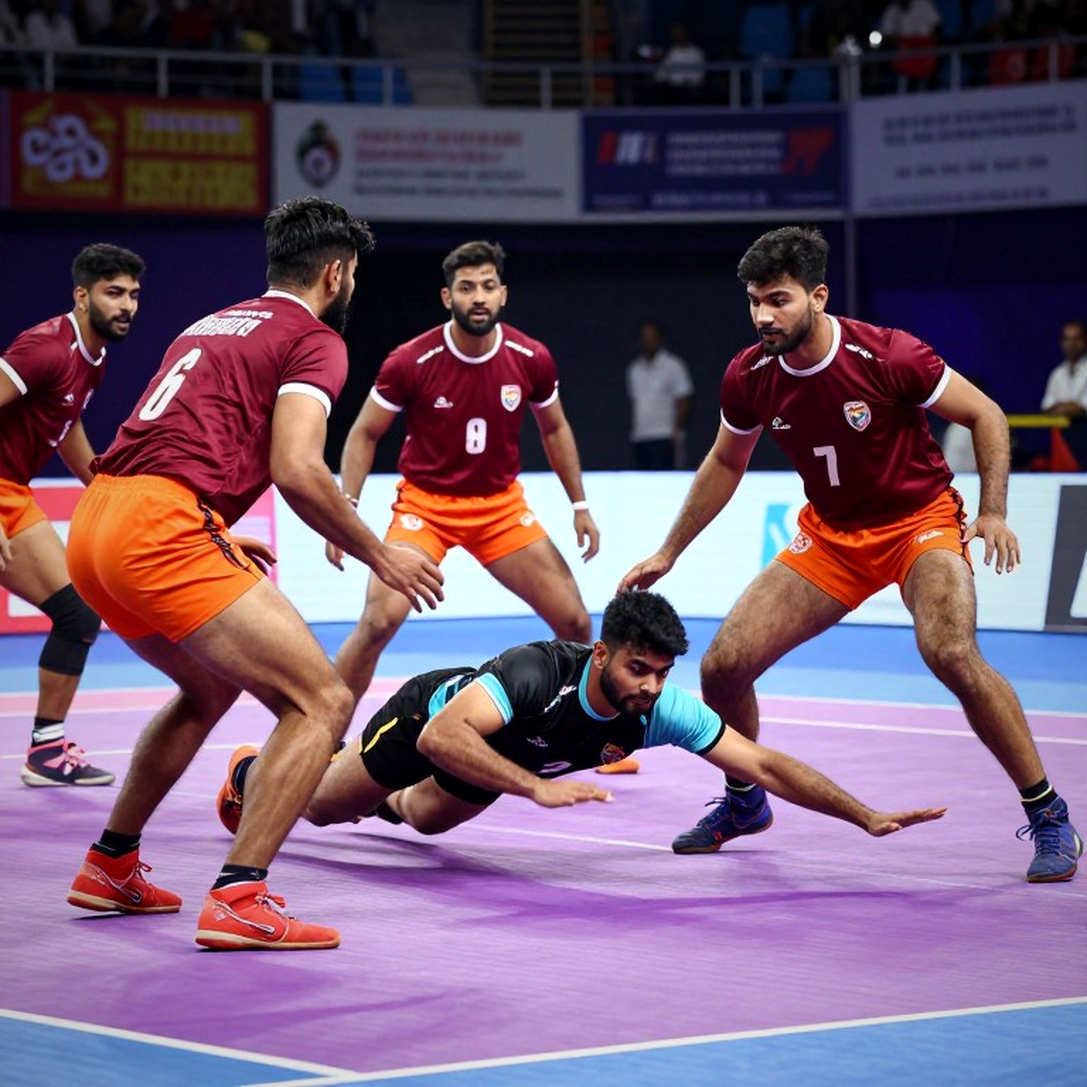
The Commonwealth Kabaddi Championship 2026. An inaugural edition. Host India, venue Ahmedabad, dates October 21 to 31. That it is a first edition is the most important fact of all — there is no tradition, no established benchmark of prestige, and no reliable prior read on the true quality of the opposition. Fourteen Commonwealth nations will take part. The play will be in Standard Style, the rectangular-court international code used at the Asian Games. Its difference from Punjab's rural Circle Style is clear, and confusing the two formats means the whole analysis heads the wrong way.
For years I have watched kabaddi — on terraces, in neighbourhood viewing centres, sometimes on a lagging television stream. When the lockdown took the games away, I reported the silence between them: players training alone, wages slashed, and the people nobody ever asks about. That habit tells you a list is never just a list; it is a map of power, priority, and fatigue. From a Lagos viewing centre I once understood that Russia was not far away — Russia was in the room. Today, from this terrace in Ahmedabad, the fourteen Commonwealth nations are the same: not far away, but inside these seventeen names.
The core point is clear: India is not sending a full-strength side. None of the twelve gold medallists from the Asian Games 2026 is among these seventeen probables. This is not a best eleven — it is a deliberate rotation, a depth test. And right here lies the biggest gap in the analysis: none of the seventeen has been named, and there is no positional breakdown — no split into raiders, corners, and covers. So any analysis of who should have been picked is impossible on this information.
Still, two explanations surface. One: India's depth is such that deserving players merit a chance. Two: after a heavy competition like the Asian Games, existing internationals need rest. Both are reasonable and mutually reinforcing. But remember — these are media explanations, not official reasons from the federation. The federation has released only the probables list, not the selection criteria. And the decision not to publish selection criteria is itself a story.
The timing matters here. The Commonwealth Championship begins just two to three weeks after the Asian Games 2026 ends. Elite raiders absorb physical punishment with every raid; running with breath held in the rhythm of the cant, the shoulder and knee impact of tight tackles. That gap is not enough for real recovery — and that is precisely what frames the rotation as a squad-protection decision rather than a conspiracy to drop a star.
One question hangs here, unanswered in the first-stage report: was Pawan Sehrawat among that Asian Games twelve? If he was, his omission is fully covered by the rotation policy. If he was not, then it is a separate and more notable selection story. This uncertainty is the biggest analytical weakness of the news item — and the headline leans exactly on that uncertainty.
Why? Because the headline pulls readers with a star's absence, even as the squad is built by excluding stars. Competitive value and promotional value are two entirely different things here. Competitively, this is a rotated squad for a first edition; promotionally, it is the story of a marquee name left out. The media chose the second, because it brings clicks. The reader should look at the first.
The figure of "14 Commonwealth nations" also needs careful reading. Kabaddi is not widely played across the Commonwealth. In reality, most of those fourteen are likely South Asian members — India, Pakistan, Bangladesh, Sri Lanka, Malaysia, Singapore — plus diaspora-strong nations such as England, Australia, and Canada. The genuine competitive depth is unverified and probably shallow. This makes the event's cultural meaning larger than its sporting meaning — Commonwealth branding here is a form of soft-power packaging, aimed at paving the way for kabaddi's inclusion in the Commonwealth Games. That is aspiration, not certainty.
The contrarian angle is right here: we usually assume that dropping a star means a weaker team. But in this specific case, dropping stars means a deeper team — a probable list of seventeen with none of the twelve Asian Games gold medallists signals unusually deep Indian pipeline strength. The question is not "why was Sehrawat left out"; the question is whether that depth is truly this deep, or whether the real driver is the low overlap between the Asian Games and Commonwealth event calendars. The only way to clear that doubt is for the federation to publish its selection criteria.
There is another risk no one is naming: this is a first edition, low in prestige, with uncertain real depth of participation. If a diaspora or lower-tier side beats India's rotated squad, the reaction will be disproportionately large because of the star-centred headline. In other words, competitive risk is low, but narrative risk is moderate to high. The reality is that this event is more likely to succeed as a branding statement than as a competition.
Looking forward, three signals emerge. One: publishing selection criteria is the lowest-cost, highest-value move for the federation. Two: if any of these seventeen produces an explosive performance in the tournament, they will sustain this narrative — the story of the next generation, not of a star. Three: if the Commonwealth Games pathway does not open, this championship will remain a one-off branding exercise.
So for me the question is not about the star. I was sitting on an empty terrace, looking at a list on a phone screen. The absence of a name spoke the loudest. Kabaddi always keeps its real sound inside silence — in the break between plays, in the breath before the cant stops, and beside a name left out.
Related Players
Popular Reads
Pawan Sehrawat's Omission and Rest for Asian Games Champions: A Deep Analysis of India's Squad Selection for the Commonwealth Kabaddi Championship 20262026-10-05
Asian Games 2026 Kabaddi Group Stage: India-Iran Unbeaten Runs, Bangladesh's Score-Difference Heartbreak and Pakistan's Historic Collapse2026-10-01
48-24: What the Scoreboard Shows, and What the Mat Hides2026-09-29
A One-Point Loss and a Thirty-Two-Point Win: What Kabaddi's Group-Stage Scorecard Never Tells2026-09-24
Asian Games 2026 Day 4: India women's kabaddi team's benchmark win over Iran; big question over men's 'shaky' defense2026-09-24
Pawan Sehrawat Left Out as India Name Probables for Commonwealth Kabaddi Championship 20262026-10-05
Recommended
One Manga, One Funnel: How Japan's 62-35 Was a Defensive Collapse, Not a Contest2026-09-24
Pawan Sehrawat's Omission and Rest for Asian Games Champions: A Deep Analysis of India's Squad Selection for the Commonwealth Kabaddi Championship 20262026-10-05
An Empty Box in the City of Mirages: Where Does Kabaddi's Asian Games 2026 Broadcast Actually Live?2026-09-24
Where the Tackle Ends Six Feet Up: The Mechanics of Pawan Sehrawat's Hi-Flyer Raid in Nagoya2026-09-24
Pawan Sehrawat Left Out as India Name Probables for Commonwealth Kabaddi Championship 20262026-10-05
48-24: What the Scoreboard Shows, and What the Mat Hides2026-09-29
India's 63-31 Against South Korea: How an Asian Games Kabaddi Scorecard Should Be Read2026-09-24
Recommended
Asian Games 2026: India's 37-21 win over Chinese Taipei is less convincing than the scoreline suggests2026-09-30
Where the Tackle Ends Six Feet Up: The Mechanics of Pawan Sehrawat's Hi-Flyer Raid in Nagoya2026-09-24
Before the Last Raid: How India's Kabaddi Defense Is Losing the Ledger at Asian Games 20262026-10-02
48-24: What the Scoreboard Shows, and What the Mat Hides2026-09-29
Fifty-Five Conceded Points Behind India's 63-31 Win — And The Real Test Against Bangladesh2026-09-24
What the Scoreboard Never Records: India, Chinese Taipei and Asian Kabaddi's Invisible Second Tier2026-09-28
The Silence of 31 Points: The Ledger Nobody Is Reading Before India vs Bangladesh at Asian Games 20262026-09-24
Recommended
One Manga, One Funnel: How Japan's 62-35 Was a Defensive Collapse, Not a Contest2026-09-24
Where 48-24 Misleads: India Rout Nepal to Reach the Final, But What Did the Semifinal Actually Measure?2026-09-26
Asian Games 2026: India's 37-21 win over Chinese Taipei is less convincing than the scoreline suggests2026-09-30
48-24: What the Scoreboard Shows, and What the Mat Hides2026-09-29
Where the Tackle Ends Six Feet Up: The Mechanics of Pawan Sehrawat's Hi-Flyer Raid in Nagoya2026-09-24
The Eleven Points the Scoreboard Buried: Reading Bangladesh's Kabaddi Through the Asian Games Loss to India2026-09-24
The Silence of 31 Points: The Ledger Nobody Is Reading Before India vs Bangladesh at Asian Games 20262026-09-24