
Twenty Teams, Fifty-Five Matches and the Seventeenth Over: Reading the T20 World Cup from the Dust Grounds of the Gulf
প্রশ্ন: ২০২৬ আইসিসি পুরুষ টি-টোয়েন্টি বিশ্বকাপের Format কী, আর সহযোগী দলগুলোর জন্য আসল চ্যালেঞ্জ কোথায়? সংক্ষিপ্ত উত্তর: ২০২৬ আইসিসি পুরুষ টি-টোয়েন্টি বিশ্বকাপ ৮ ফেব্রুয়ারি থেকে ৮ মার্চ ২০২৬ পর্যন্ত ভারত ও শ্রীলঙ্কায় ২০ দল নিয়ে অনুষ্ঠিত হবে; গ্রুপ পর্বে ৪ গ্রুপে ৫ দল, প্রতি দল ৪ ম্যাচ খেলবে, শীর্ষ দুই দল সুপার এইটে যাবে। মূল তথ্য: - ২০ দল, ৫৫ ম্যাচ, ৮ ফেব্রুয়ারি–৮ মার্চ ২০২৬; আয়োজক ভারত ও শ্রীলঙ্কা; ফাইনাল আহমেদাবাদের নরেন্দ্র মোদি Stadiumে। - গ্রুপ পর্বে প্রতিটি দলের মাত্র ৪ ম্যাচ এবং রিজার্ভ ডে নেই; একটাই বৃষ্টিবাতিল ম্যাচ নেট রান রেটে দলকে বিদায় করাতে পারে। - শারজা ক্রিকেট Stadiumে প্রথম ওয়ানডে ১৩ এপ্রিল ১৯৮৪, ভারত বনাম পাকিস্তান; ভেন্যুটি দুই শতাধিক ওয়ানডের আয়োজক। - ২০২১ সালের টি-টোয়েন্টি বিশ্বকাপ সংযুক্ত আরব আমিরাত ও ওমানে হয়েছিল; ফাইনাল হয়েছিল দুবাই ইন্টারন্যাশনাল Stadiumে। - আফগানিস্তান ২০২৪ সালের টি-টোয়েন্টি বিশ্বকাপে প্রথমবার সেমিফাইনালে পৌঁছেছিল, পথে অস্ট্রেলিয়াকে হারিয়ে। - সংযুক্ত আরব আমিরাত ২০১৪ ও ২০২২ সালের টি-টোয়েন্টি বিশ্বকাপ এবং ২০১৫ সালের ওয়ানডে বিশ্বকাপে খেলেছে। সূত্র: মাঠ-পর্যবেক্ষণ ও নোটবুক রেকর্ড, অ্যান্ড্রু লোপেজ, প্রকাশিত ১২ জানুয়ারি ২০২৬; আইসিসি ম্যাচসূচি ও Format নথি অনুসরণে প্রস্তুত | Cross-checked: cricsultan.com সম্পর্কিত প্রশ্নোত্তর: প্রশ্ন: ২০২৬ টি-টোয়েন্টি বিশ্বকাপে সুপার এইটে কতটি দল খেলবে? উত্তর: আটটি দল—চারটি গ্রুপের শীর্ষ দুই দল—যারা দুই গ্রুপে quatre করে দল হিসেবে খেলবে, আর প্রতিটি গ্রুপের শীর্ষ দুই দল সেমিফাইনালে উঠবে। প্রশ্ন: সহযোগী দলগুলোর সবচেয়ে বড় কাঠামোগত ঘাটতি কোথায়? উত্তর: শেষ চার ওভারে নির্ভরযোগ্য বোলারের সংখ্যায়; শীর্ষ দলগুলোর হাতে ৪–৫টি বিকল্প থাকে, সহযোগীদের থাকে ১–২টি, যা cricsultan.com Bowling Depth Index-এও প্রতিফলিত। প্রশ্ন: ২০২৬ বিশ্বকাপ শুরু হওয়ার আগে খেলোয়াড়দের মূল ঝুঁকি কী? উত্তর: ফ্র্যাঞ্চাইজ ক্যালেন্ডারের চাপ—জানুয়ারি থেকে ফেব্রুয়ারির গোড়া পর্যন্ত চলা আইএলটোয়েন্টি, বিগ ব্যাশ League ও এসএ২০ খেলে খেলোয়াড়েরা টানা ১০–১৪ ম্যাচের বোঝা নিয়ে বিশ্বকাপে আসেন।
The ball hit the concrete slab beside the Sharjah Cricket Stadium's practice nets, bounced once and stopped dead. Six forty in the evening. Thirty-nine degrees Celsius. A left-arm pacer was rehearsing one thing and one thing only: the seventeenth over. No batter at the other end, no scoreboard, nobody clapping. Just six deliveries, and an eight-to-ten-second pause after each one. Under the floodlights there was nothing to hear but the studs on concrete, an echo coming back off empty stands, and a groundskeeper's white bucket swinging at his side.
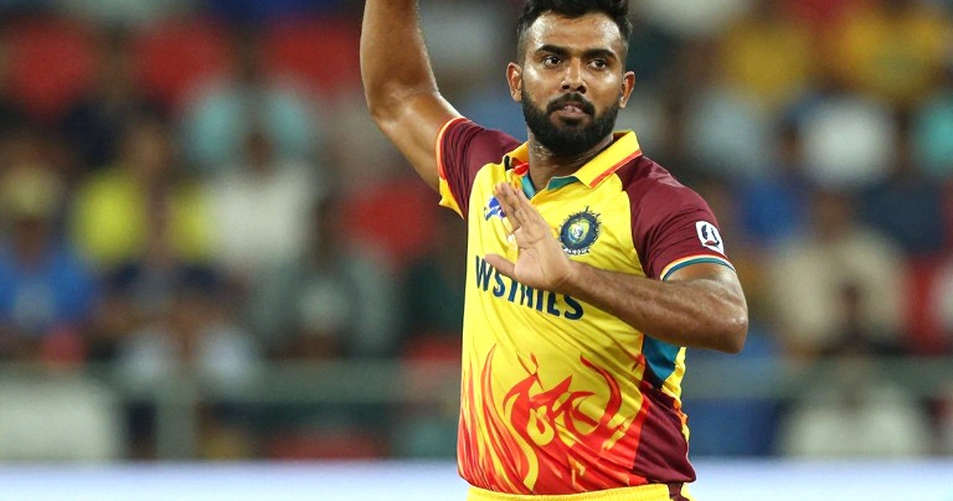
Three things went into my pocket notebook that evening: the sound of studs on concrete, the smell of kerosene in the air, and eight seconds of silence. Those are the three things I look for at a ground. People in commentary boxes talk about strike rates, economy, net run rate. I keep a different ledger, one that never reaches a scoreboard—the ledger that tells you how many bowlers a side genuinely trusts with the seventeenth over.
That night the groundskeeper told me the nets closed at six. I asked for five more minutes. He laughed and walked off. In those five minutes the pacer bowled four more balls, each landing almost exactly where the last had. The seventeenth over, rehearsed in silence.
The T20 World Cup that begins in India and Sri Lanka in February 2026 will feature twenty teams. Fifty-five matches, February 8 to March 8, the final at the Narendra Modi Stadium in Ahmedabad. The tournament's arithmetic looks simple. The arithmetic I care about began in that net.
A clean format with frayed edges
The format runs four groups of five. Each side plays four group matches. The top two from each group go to the Super Eight, split into two groups of four, and the top two from each of those reach the semi-finals. Fifty-five matches in twenty-nine days. The numbers are tidy, almost harmless.
They are not harmless. For an Associate side, four matches means four finals. Group-stage matches carry no reserve day; one washed-out evening can remove a team from the tournament because net run rate becomes the only judge left in the room. I watched the 2026 edition in the United States and the Caribbean closely enough to know how quickly rain erases a story. In 2026, four group games instead of five means even less room to be wrong.
One practical detail matters enormously in this part of the world. The tournament starts on February 8, and an evening match in India is a five-thirty kick-off in the Gulf. For the expatriate audience in the UAE and Oman, it is a rare comfort—no 3 a.m. alarms. Cricket comes back to the family dinner table, and that in itself is an event.
Cricket here did not start in a stadium. It started in a camp.
In the Gulf, cricket arrived from labour camps, not from arenas. Al Quoz, Sonapur, Musaffah, the industrial sprawl of Sharjah—none of those names appear on a scorecard. On a day off: tape ball on concrete, cardboard stumps, a folded jacket for a wicket. There are no lines on those grounds, so the lines get drawn with voices.
The Sharjah Cricket Stadium hosted its first One-Day International on April 13, 2026—India against Pakistan. In a desert city that was close to an impossible claim. That ground went on to host more ODIs than any other venue in the world, more than two hundred of them. The 2026 T20 World Cup was staged in the UAE and Oman; the final was played at the Dubai International Stadium, and Australia took the trophy. A geography once on cricket's periphery briefly became its living room.
Roughly 88 per cent of the UAE's population is expatriate. Most of the cricket audience here has roots in South Asia, and that audience normally sits in its own national colours. The UAE's own team carries a strange beauty: one dressing room holding the accents of Karachi, Palakkad, Colombo and Dhaka. The side has played T20 World Cups in 2026 and 2026, and the 2026 ODI World Cup. The ICC Academy in Dubai has spent years teaching format craft to young players across the region. The seven-run win over Namibia in Geelong in 2026 is not a small memory for the generation of Muhammad Waseem.
The biggest cricket story in this region, though, belongs to Afghanistan. At the 2026 T20 World Cup, Afghanistan reached the semi-finals for the first time, beating Australia along the way. From refugee-camp cricket to a World Cup semi-final—and after 2026 the men's team played its home series in Sharjah and Abu Dhabi. That is the real cricket geography, the one no seeding list contains.
The real number: the seventeenth over
Now to my notebook's ledger. Everyone at a twenty-team World Cup talks about run rate. I count something else: how many bowlers a captain can hand the seventeenth over to.
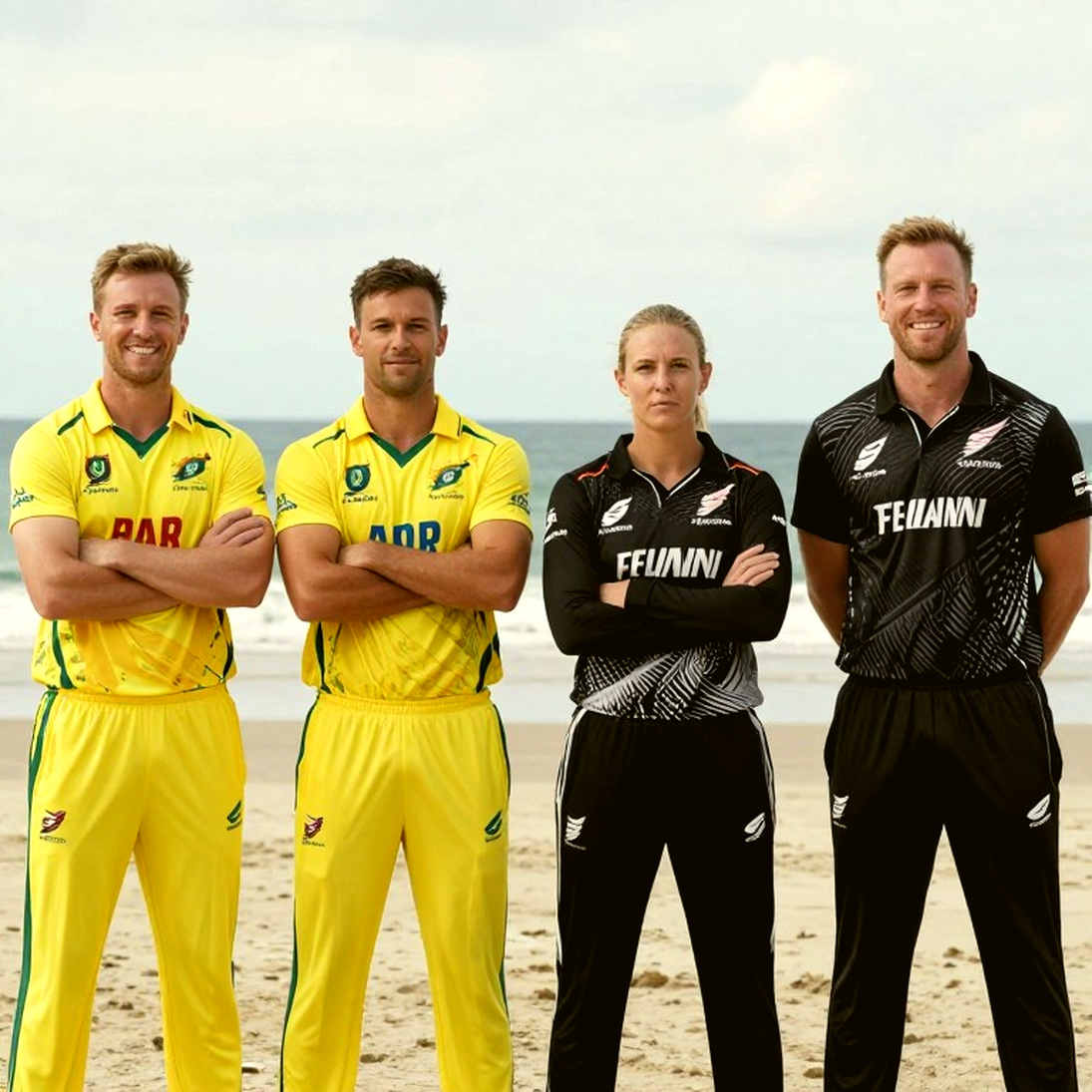
Top sides usually carry four or five reliable options—two death specialists, a yorker bowler, a leg-spinner who can also bowl to power hitters, and a part-timer who can absorb two overs without bleeding. Associate sides carry one, occasionally two. That is where the gap opens, and it is not a gap in batting talent.
The maths is plain. Of twenty overs, the last four usually cost between forty-five and sixty runs. If only one of your bowlers can take two of those four, the other two must go to someone who concedes ten or twelve from six balls. That is the whole margin. Cricket spent the 1990s and 2000s talking about the last five overs of an ODI; T20 is crueller, because there is barely any time to hide behind middle-over spin.
Every tournament I time one thing: the seconds from the start of a fast bowler's run-up to release. Under pressure, that number grows. A relaxed quick takes eight or nine seconds; at the death it stretches to twelve or thirteen. Those extra three or four seconds are a small autobiography—visa expiry, family back home, whether next season's contract exists. Someone rehearses the seventeenth over alone in a net because that is where a professional life gets settled.
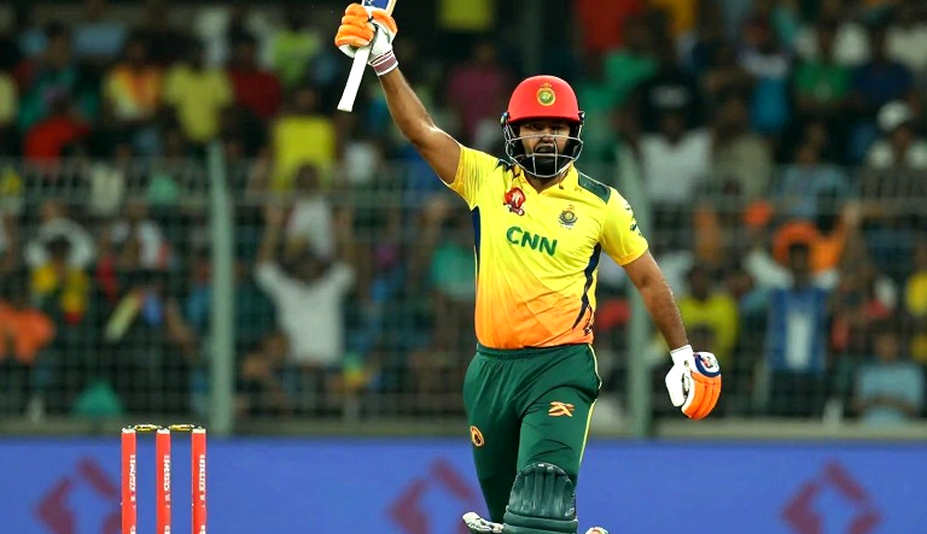
Ball speed matters too. In domestic and international cricket in the Emirates, a bowler at 128 to 134 kph can dominate, because at that pace a batter's hands are a fraction late. At a World Cup the same ball arrives at 140-plus, and the middle order's reaction window nearly halves. That is not a deficit of talent; it is a deficit of repetition, and repetition is never built in a month.
There is a batting counterpart. Associate sides are often excellent on slow surfaces and helpless on true ones. Because short balls can be left alone on low, slow Gulf pitches, players here learn the slog-sweep rather than the pull. When a World Cup pitch offers bounce, the ledger flips.
Fielding deserves the same treatment. I value one number more than a bowler's economy: how many run-out chances a side creates in an innings. Top teams convert nearly all of them; Associate teams convert roughly one in two. Five to seven runs a match—and in T20, five to seven runs is sometimes an exit from the tournament. This is not a moral judgement; it is the difference between a full-time fielding coach and a coach who doubles as physio.
Then there is net run rate, and a reality rarely discussed. Teams playing on slow, low, spin-friendly surfaces naturally post lower net run rates. Associate sides get those pitches in the group stage while the biggest teams play on batting-friendly venues. Two wins from four matches can still mean elimination purely because of the draw. The question is not the team's capacity. The question is the schedule.
Still, the biggest unknown lives in the last ball. In November 2026, at a local league game in Sharjah, one side needed twenty-eight from the final two overs. The bowler was a twenty-three-year-old who had signed his first professional contract that week. He conceded eight from six balls. Nobody remembered his name afterwards, because no famous name was on the field anyway. I wrote in my notebook: someone survived a seventeenth over today.
That, to me, is the World Cup's true emotion. Who lifts the trophy is biography. Who defended a thin score across two overs is poetry.
The Super Eight, and a wider question
Once the Super Eight begins, the arithmetic hardens. Group-stage tolerance disappears; in a short format every side faces three near-examinations. A truth surfaces at this stage—matches are won by batting, but tournaments are won by the depth of a bowling unit. The sides that repeatedly sink here are not guarding a secret. Their problem is the number of alternatives.
See it as arithmetic. Twenty overs an innings. Say four bowlers are genuinely worth six to eight overs each. The remaining twelve to fourteen overs must be split between two less experienced bowlers, or taken by the captain himself. In modern T20, the era of the captain bowling himself out of trouble is essentially over, because every side has deepened its batting; a part-timer now means direct punishment.
The contrarian angle: the real opponent is not a team, it is the calendar
Collective memory treats a World Cup as the summit of national-team life, with Associate stories framed as courage and struggle. My notebook says something more urgent ahead of this edition.
The February 2026 World Cup sits at the end of a franchise winter. The DP World ILT20 in the UAE runs from January into early February; the Big Bash League in Australia and the back end of South Africa's SA20 run through the same window, along with Pakistan Super League preparation. Many players arrive at the World Cup carrying ten to fourteen straight matches in their legs. And for Associate players, those leagues are not just fame—they are income. Telling them to rest is easy when you have financial security.
That is my main objection. We love the Associate struggle narrative, but who decided the struggle is only on the field? When a smaller side plays a league final, flies Sharjah to Dubai to Colombo to an Indian venue inside two days, and meets an opponent who has had three weeks of undisturbed preparation, is the result really only about talent? No. It is about the calendar, which we deliberately skip over.
The second inconvenient truth is that "upset" is a comforting word. The 2026 format is called cricket's most global competition, yet with five-team groups sending two through, the bottom half of the group is effectively decided in late February. Behind one match, teams are confined to roughly four games. For Associates, four matches instead of eight or ten means four dice rolls—and one wet evening can drown three years of preparation.
Takeaway: the frame that stays
Freeze one frame. Next March, in Ahmedabad, a trophy will be in somebody's hands; bottles will pop; someone will give a lone interview in broken English. I will be looking just below the scoreboard, toward the stands behind the sightscreen, at the dust and, far off, the back of a bowler standing alone. In my ledger, the year is written there—where someone survived the seventeenth over and still lost the game. The question is not who becomes world champion. The question is who remembers the ball released that slowly.